
Commercial refrigerators and freezers are expected to operate continuously, often without interruption for years. Whether they are installed in a supermarket, restaurant, bakery, or convenience store, their performance depends not only on the refrigeration system itself but also on how well the equipment is maintained.
Most refrigeration failures do not happen overnight. Cooling capacity usually declines gradually. The condenser collects dust, door gaskets begin to leak, or airflow becomes restricted. At first, the cabinet still reaches its set temperature, but the compressor runs longer and electricity consumption increases. If these small issues are ignored, they eventually lead to expensive repairs or unexpected downtime.
Routine maintenance is simply the process of preventing those small problems from becoming major ones.
Why Regular Maintenance Matters
A commercial refrigerator that appears to be working normally may already be operating under unnecessary stress.
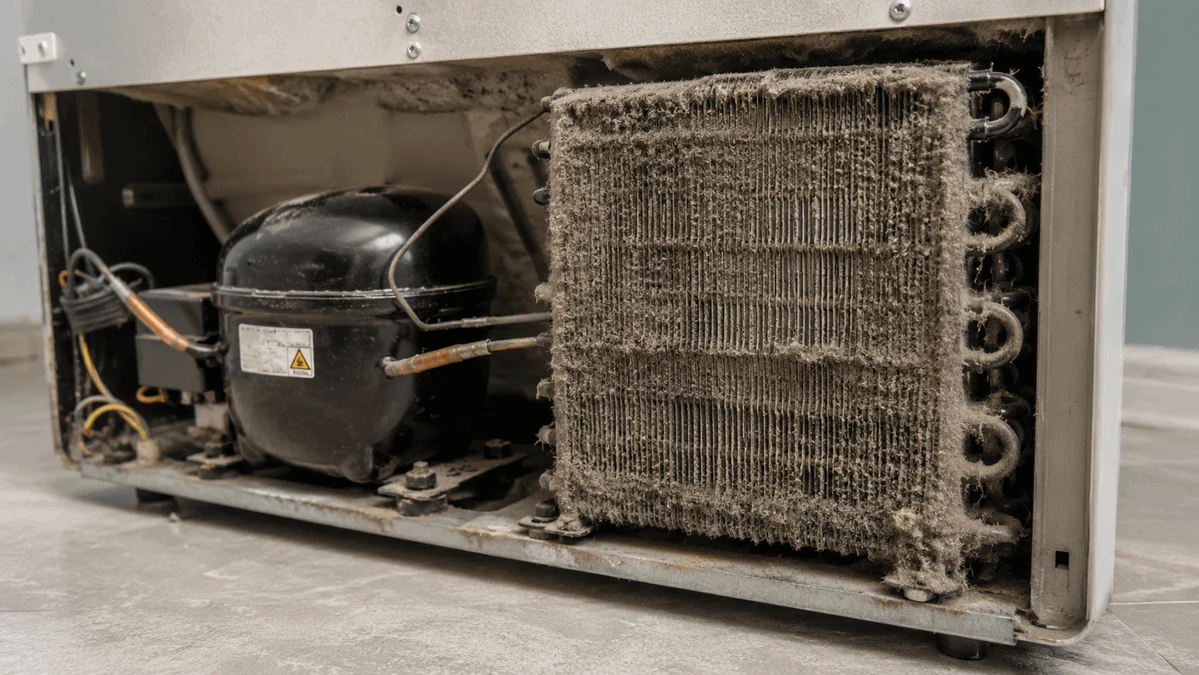
One of the most common examples is a dirty condenser coil. As dust and grease build up, the condenser becomes less efficient at releasing heat. The refrigeration system responds by running the compressor for longer periods to achieve the same cabinet temperature. Food may remain cold, but the compressor experiences higher operating temperatures and increased wear.
The same principle applies to damaged door gaskets. Even a small air leak allows warm, humid air to enter the cabinet continuously. The result is more frost on the evaporator, longer compressor running time, and higher energy consumption.
Regular maintenance protects more than the equipment. It helps maintain stable product temperatures, reduces operating costs, and lowers the risk of product loss caused by refrigeration failure.
The Maintenance Most Operators Can Do
Many maintenance tasks require no technical training and only a few minutes each day.
Checking the cabinet temperature is a good habit. If products that normally cool quickly begin taking longer to reach storage temperature, or if temperatures fluctuate more than usual, it is worth investigating before the problem becomes serious.
Keep the evaporator air outlets and return air passages clear. It is common to see cartons stacked directly against the back wall of an upright refrigerator. Although the cabinet may still feel cold, blocked airflow often creates warm areas where products are not cooled evenly.
Door gaskets should also be inspected regularly. A gasket that no longer seals properly is easy to overlook because the refrigerator continues running. However, the compressor may operate almost continuously to compensate for the warm air entering through the gap.
Cleaning the cabinet interior is equally important. Food residue, spilled liquids, and standing water affect hygiene and can eventually block the condensate drain.
Finally, pay attention to sounds. Experienced operators often recognize a problem simply because the refrigerator no longer sounds the way it normally does. A vibrating fan blade or noisy motor bearing is much easier to repair before it fails completely.
Maintenance That Should Be Scheduled
Some components require less frequent attention but have a significant effect on refrigeration performance.
The condenser coil deserves the highest priority. In kitchens, bakeries, and food preparation areas, airborne grease and flour can coat the condenser surprisingly quickly. Even in supermarkets, dust accumulation gradually reduces heat transfer.
Cleaning frequency depends on the operating environment rather than the calendar. A refrigerator installed in a clean air-conditioned store may only need condenser cleaning every few months. Equipment operating beside fryers or ovens may require monthly attention.
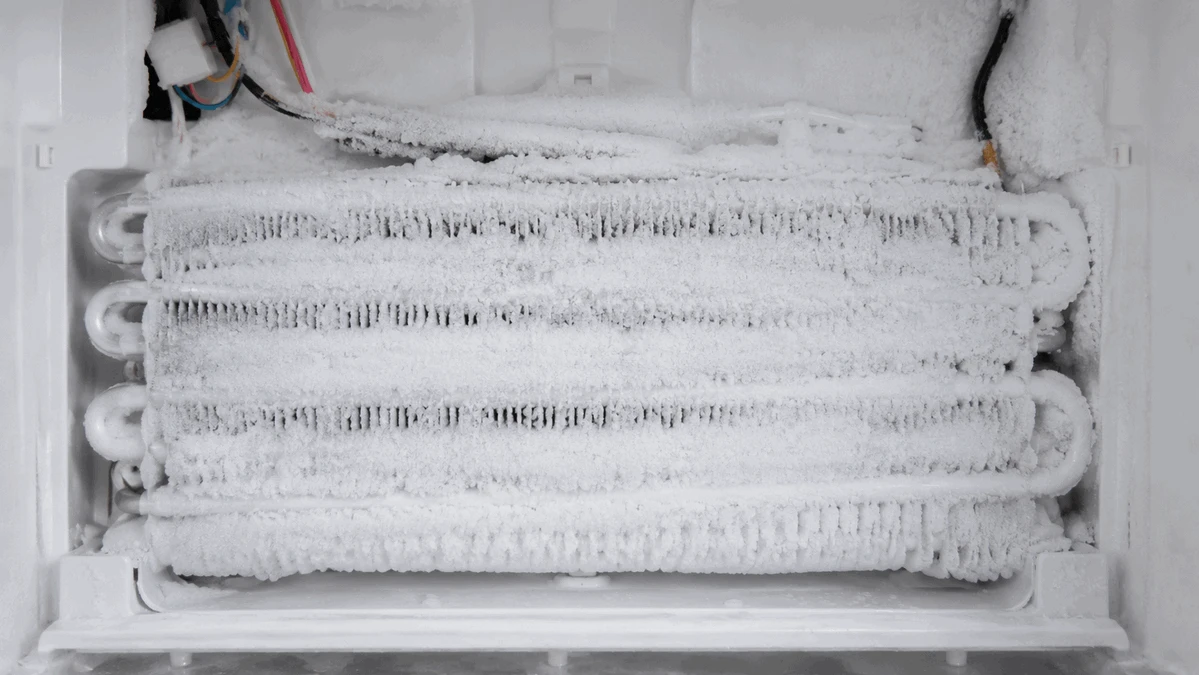
 The evaporator should also be inspected for excessive frost. A thin layer of frost is normal in some direct cooling systems
, but heavy ice accumulation restricts airflow and reduces cooling efficiency. Repeated frost build-up usually points to another issue, such as frequent door opening, damaged door seals, or a problem with the defrost system.
The evaporator should also be inspected for excessive frost. A thin layer of frost is normal in some direct cooling systems
, but heavy ice accumulation restricts airflow and reduces cooling efficiency. Repeated frost build-up usually points to another issue, such as frequent door opening, damaged door seals, or a problem with the defrost system.
It is also worth checking that condensate drains remain clear and that both evaporator and condenser fans rotate smoothly without unusual vibration or noise.
When Professional Servicing Is Needed
Not every maintenance task can be carried out by store staff.
Refrigerant pressure, electrical testing, leak detection, compressor performance, and controller calibration all require specialized tools and trained technicians.
During scheduled servicing, technicians can often identify early signs of wear that are invisible during daily operation. A condenser fan motor drawing excessive current or a loose electrical terminal may continue functioning for weeks before causing a breakdown.
For most commercial refrigerators, professional servicing every six to twelve months provides a reasonable balance between maintenance cost and equipment reliability. Cabinets operating in high-temperature kitchens or busy retail environments may benefit from more frequent inspections.
A Few Problems Worth Checking First
When a refrigerator does not perform as expected, the simplest explanation is often the correct one.
If the cabinet temperature is higher than normal, check whether the condenser is dirty or whether products are blocking the air circulation path.
If heavy frost appears inside the cabinet, inspect the door gasket before assuming there is a refrigeration fault.
Water collecting inside the cabinet is frequently caused by a blocked drain rather than a refrigerant problem.
A compressor that seems to run continuously may simply be responding to poor ventilation around the condenser or unusually high room temperatures.
Of course, some faults require immediate professional attention. Refrigerant leaks, repeated electrical trips, or a complete loss of cooling should never be ignored.
Final Thoughts
Commercial refrigeration equipment is designed for long operating hours, but continuous operation also means small problems accumulate over time.
Simple habits such as keeping the condenser clean, checking door seals, maintaining proper airflow, and arranging periodic professional servicing can significantly improve reliability. More importantly, they help ensure that food stays within the correct storage temperature while reducing unnecessary wear on the refrigeration system.
Good maintenance is rarely about fixing major failures. More often, it is about preventing them from happening in the first place.